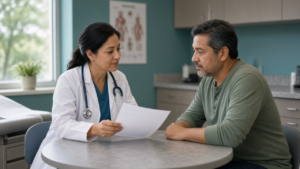

A guide for families to recognize signs that specialized senior care is needed
Geriatric medicine may sound like a complex term, but it’s really about understanding the unique health needs of older adults. As people age, their bodies and minds go through natural changes that often require more specialized medical attention. While primary care physicians can handle many health concerns, geriatric doctors bring expertise in managing the overlapping conditions and challenges that are common in seniors.
In Plano, TX, knowing when to seek the care of a geriatric doctor can make a meaningful difference in a loved one’s health and quality of life. Early recognition of the signs that specialized care is needed allows families to take timely steps, ensuring that seniors remain as independent, active, and comfortable as possible.
Recognizing the Signs That Specialized Care Is Needed
One of the clearest indicators that it may be time to consult a geriatric doctor is when an older adult is managing several chronic conditions at once. Many seniors live with a combination of issues such as diabetes, arthritis, heart disease, or kidney problems. Each condition comes with its own treatments, and balancing them all can quickly become overwhelming. A geriatric doctor is trained to coordinate this care in a way that reduces complications and helps seniors avoid unnecessary hospital visits.
Another sign is related to medications. As people age, it’s not uncommon to see prescriptions increase, but with more medications comes the risk of side effects, confusion, or harmful interactions. A geriatrician carefully reviews medications, streamlines them when possible, and ensures that every prescription is truly necessary. This not only reduces risks but also improves daily comfort and clarity for seniors.
Families may also notice cognitive or behavioral changes. Struggles with memory, difficulty concentrating, or signs of dementia can be especially worrying. While some forgetfulness is normal with aging, ongoing or worsening changes should not be ignored. Geriatric doctors are skilled at identifying early signs of cognitive decline, offering treatment options, and guiding families through long-term planning.
Physical changes are equally important. Frequent falls, difficulty walking, or loss of balance often indicate a need for specialized evaluation. Left unaddressed, these issues can limit independence and increase the risk of injury. Similarly, when seniors begin to struggle with daily tasks such as cooking, managing finances, or even dressing, it’s a signal that additional medical guidance is necessary.
The Diagnostic Approach in Geriatric Medicine
The thought of visiting a geriatric doctor may feel intimidating, but the process is designed to be both thorough and supportive. Rather than focusing on a single symptom, geriatricians take a comprehensive view of health. A first visit typically involves a detailed medical history, a physical examination, and screenings to assess memory, mood, and decision-making ability.
In addition, doctors often review all current medications to check for side effects or interactions that could be contributing to health concerns. Functional assessments may also be performed, which look at how well a senior can handle daily activities and mobility. This holistic evaluation gives families a clear picture of not only what is happening medically, but also how it is affecting quality of life.
Treatment and Ongoing Care
Once concerns are identified, treatment is tailored to each individual’s needs. For seniors managing chronic diseases, care often focuses on simplifying treatment plans while ensuring each condition is properly controlled. This might involve coordinating with other specialists, adjusting prescriptions, or recommending lifestyle changes that make daily life easier.
When cognitive issues are present, geriatricians may introduce therapies, medications, and supportive strategies to help manage memory loss and maintain independence for as long as possible. For mobility concerns, physical therapy and fall-prevention strategies may be recommended, along with practical aids such as walkers or home adjustments.
Just as important, geriatric doctors emphasize overall well-being. Nutrition, exercise, social connections, and mental health all play a role in maintaining vitality in older age. By addressing the whole person rather than isolated conditions, this specialized approach provides seniors with a better chance at leading fulfilling lives.
Preparing for a Geriatric Appointment
Families can make the most of a geriatric appointment by coming prepared. Keeping a written record of symptoms, changes in behavior, or challenges with daily activities provides valuable context during discussions with the doctor. Bringing along a complete list of medications, including over-the-counter drugs and supplements, can help avoid unnecessary risks.
It is also wise to prepare questions ahead of time. Families may want to ask about treatment options, long-term planning, or ways to make care more manageable at home. Encouraging seniors themselves to express concerns or goals can also make them feel more involved in the process, easing anxiety and creating a sense of partnership in their care.
Partnering with Specialists in Plano, TX
The journey does not end with diagnosis—ongoing support is a vital part of geriatric care. Partnering with specialists in Plano ensures that seniors receive accessible, compassionate, and personalized medical attention. Regular visits with a geriatric doctor allow for continuous monitoring, timely adjustments to treatment plans, and open communication between families and healthcare providers.
By choosing to work with experts in geriatric medicine, families can move beyond simply managing conditions to creating a care plan that enhances independence and quality of life. At Better Health Medical, our focus is on helping seniors age with dignity, strength, and support. With the right team on your side, the golden years can truly be lived to their fullest.