In recent years, at-home allergy test kits have become increasingly popular. They promise convenience, privacy, and fast results, all without the need to visit a doctor’s office. For people with busy schedules, young children, or limited access to healthcare, the appeal is obvious. But the important question is whether these tests are truly reliable and whether they can replace professional allergy testing. Understanding the benefits, limitations, and proper use of at-home kits can help you make an informed decision about your health.
How At-Home Allergy Tests Work
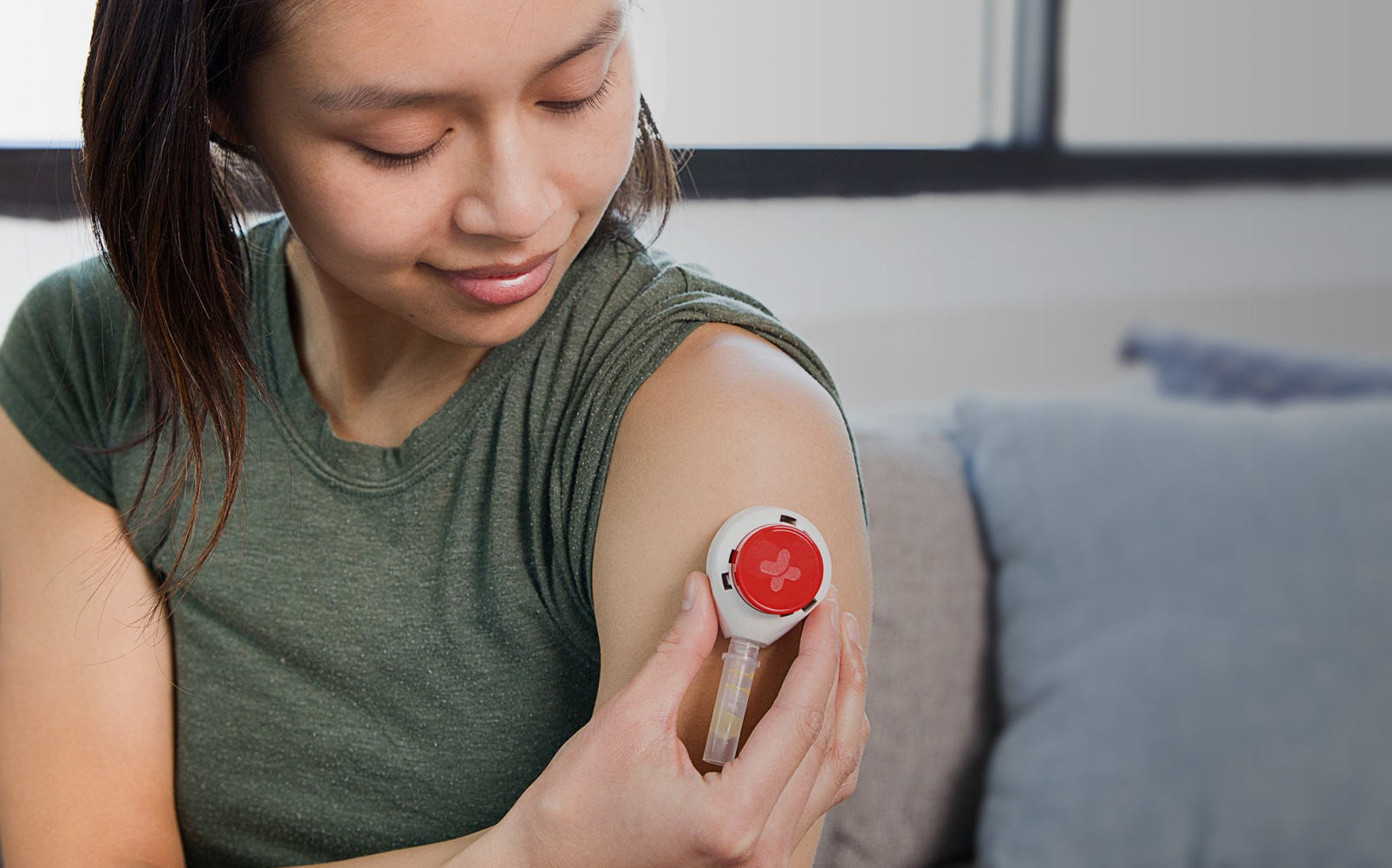
At-home allergy tests typically require you to collect a small sample, such as a drop of blood from a finger prick, saliva, or occasionally hair. You send the sample to a laboratory, which tests for reactions to common allergens, including foods, environmental factors, or pet dander.
Many kits focus on IgE antibodies, which are associated with immediate allergic reactions. Others measure IgG antibodies, which indicate food sensitivities rather than confirmed allergies. While IgG testing can sometimes show patterns in how your body reacts to certain foods, it is not a substitute for true allergy testing, and misinterpreting the results can lead to unnecessary restrictions or worry.
These kits are often marketed as easy, private, and convenient alternatives to clinical testing. Results usually come back in a few days to a week, often accompanied by a simple report showing which allergens triggered a reaction. While this sounds promising, there are several factors that can affect reliability and interpretation.
Limitations and Concerns of At-Home Kits
Despite their popularity, at-home allergy tests have notable limitations. Accuracy is a major concern. False positives can make it appear as though you are allergic to foods or environmental triggers when you are not, while false negatives can give a false sense of security, causing you to ignore real allergies.
Another limitation is the lack of professional guidance. Allergy testing is complex, and interpreting results often requires knowledge of your medical history, symptoms, and possible triggers. Without professional input, you might misinterpret results or take unnecessary actions, like eliminating foods or supplements that your body actually needs.
Many at-home tests focus on IgG antibodies, which are often misunderstood. IgG levels may indicate exposure to a food rather than a true allergy, so relying solely on these results can create unnecessary worry or restrictive diets that could affect nutrition and overall health.
Additionally, environmental allergens such as pollen, dust mites, or pet dander may be difficult to accurately test at home because reactions can vary depending on timing, exposure levels, and other health factors. This makes professional testing far more reliable for identifying true sensitivities.
When At-Home Tests Can Be Helpful
While at-home kits are not a replacement for professional testing, they can serve as a preliminary tool to identify potential triggers. If you’ve been experiencing unexplained symptoms such as chronic sneezing, persistent bloating, skin rashes, or fatigue, at-home tests can help you start noticing patterns in your reactions.
These kits can also be helpful for people who want to track potential triggers over time. For instance, they might help you correlate certain foods with digestive issues or note seasonal changes in symptoms. However, any concerning results should always be followed up with a certified allergist who can provide a proper diagnosis and treatment plan.
Professional Allergy Testing vs. At-Home Kits
Professional allergy testing remains the gold standard. Certified allergists can perform:
- Skin Prick Tests – Quick tests that identify immediate allergic reactions to environmental and food allergens.
- Blood Tests – Accurate measurement of IgE antibodies that indicate true allergic responses.
- Oral Food Challenges – Controlled tests that confirm whether a food causes a reaction.
These methods are more reliable because they are performed under medical supervision, and results are interpreted in the context of your medical history, current symptoms, and overall health. Professionals can also provide advice for managing allergies, prescribing treatments, or creating safe elimination plans, which at-home tests cannot offer.
How to Use At-Home Kits Safely
If you choose to use an at-home allergy test, it is important to approach it as a first step, not a diagnosis. Treat results as preliminary information and discuss findings with a healthcare professional before making significant dietary or lifestyle changes. Keep a symptom diary, note reactions, and consider environmental and lifestyle factors that could affect your results. Using at-home kits in combination with professional guidance can help you better understand your body without risking misinformation or unnecessary restriction.
Bottom Line
At-home allergy test kits can provide insight, convenience, and a starting point for identifying potential triggers. However, they are not a replacement for professional evaluation and should not be relied on as a definitive diagnosis. If you experience persistent sneezing, digestive issues, rashes, fatigue, or other unexplained symptoms, consulting a certified allergist remains the safest and most reliable approach.
These kits are best used as a preliminary screening tool to help start conversations with healthcare providers. Accuracy, context, and professional interpretation are essential for truly understanding and managing allergies effectively. By combining preliminary insights from at-home tests with professional evaluation, you can make informed decisions, improve your health, and reduce discomfort caused by hidden allergies.
Key Takeaways
- At-home kits are convenient but can be inaccurate.
- IgG tests often reflect sensitivity, not true allergy.
- Professional testing by a certified allergist is the most reliable method.
- Use at-home tests as a starting point, not a final diagnosis.
- Always consult a professional before making dietary or lifestyle changes based on test results.