
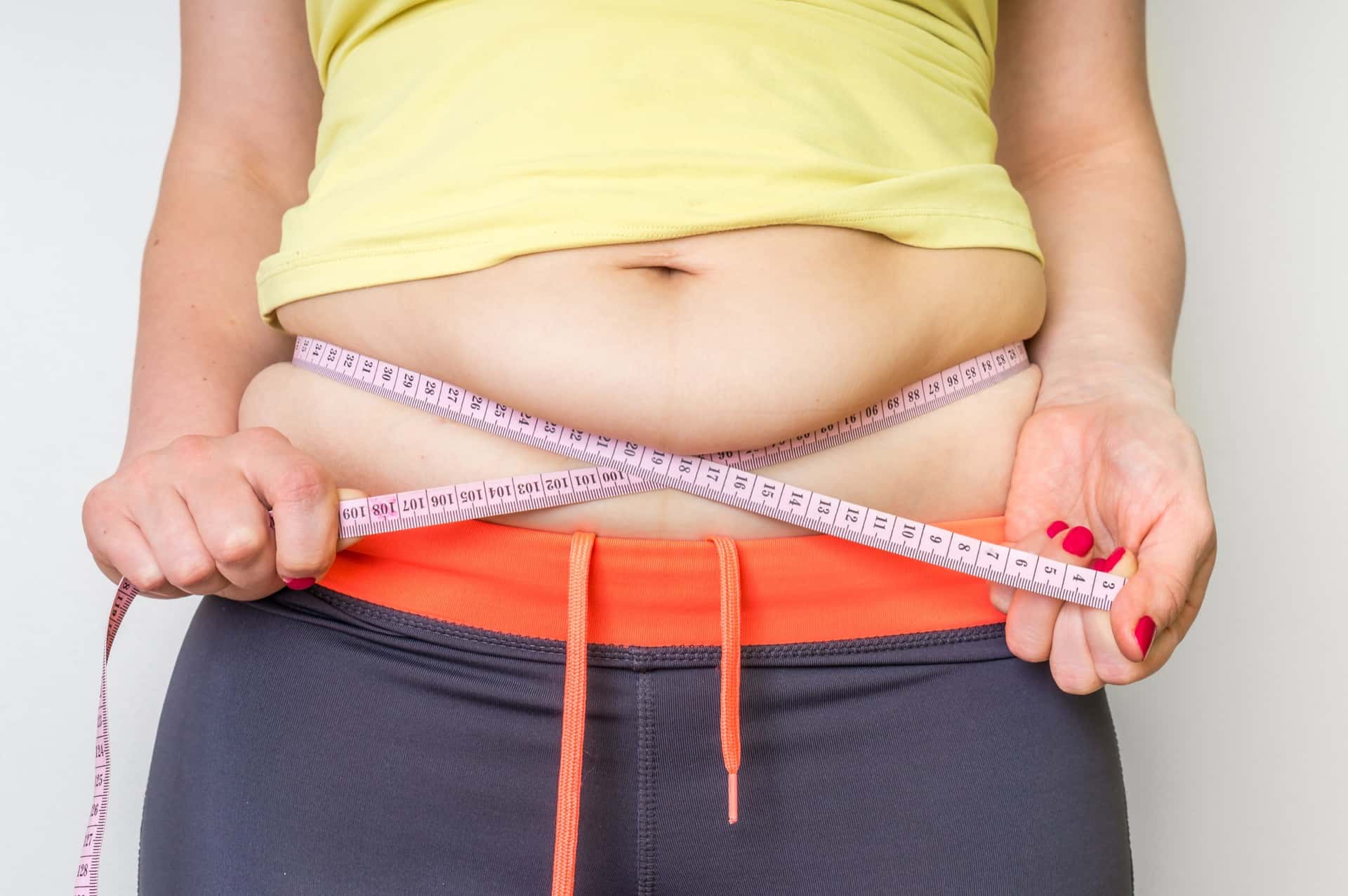
If you’ve been doing “everything right” to lose weight—eating healthy, exercising regularly, and staying consistent—yet the scale won’t budge, it’s time to look deeper. What if your body isn’t just resisting your efforts, but signaling a deeper imbalance? For many people, especially women, hormonal health is a missing link in the weight loss equation.
While calorie intake and activity level do matter, they’re not the whole story. Hormones like cortisol, insulin, estrogen, and thyroid hormones play an outsized role in regulating weight, metabolism, and how fat is stored in your body. If even one of these messengers is out of sync, weight management becomes less about discipline—and more about biology.
Let’s unpack how hormonal imbalances can sabotage your goals and what you can do to take back control.
1. Cortisol: The Stress Hormone That Stores Fat
Cortisol, produced by the adrenal glands, is your body’s main stress hormone. In short bursts, it’s beneficial—it helps you respond to immediate danger. But when stress becomes chronic (think nonstop deadlines, emotional upheaval, poor sleep), cortisol levels stay elevated.
How it affects weight:
- Encourages belly fat storage
- Increases cravings for sugar and carbs
- Breaks down muscle mass, reducing your metabolism
- Causes insulin resistance over time
What you can do:
- Prioritize sleep and rest
- Practice stress-reduction techniques like mindfulness, journaling, or gentle yoga
- Avoid overexercising—intense workouts can spike cortisol even higher
- Consider adaptogens (like ashwagandha) after talking to your healthcare provider
2. Insulin: The Gatekeeper of Blood Sugar
Insulin is essential for regulating blood sugar and energy storage. However, when you frequently consume high-glycemic foods (refined carbs, sugary snacks), insulin levels spike repeatedly. Over time, your cells become less responsive to insulin, a condition known as insulin resistance.
How it affects weight:
- Promotes fat storage, especially in the abdomen
- Makes it harder to burn fat for energy
- Increases hunger and energy crashes
What you can do:
- Eat fiber-rich whole foods that stabilize blood sugar
- Focus on balanced meals with protein, fat, and complex carbs
- Incorporate movement after meals, such as a 10-minute walk
- Get tested for insulin resistance or prediabetes if you’re experiencing symptoms
3. Estrogen: Too Much or Too Little Can Tip the Scale
Estrogen isn’t just a reproductive hormone—it also influences fat distribution, appetite, and insulin sensitivity. Women may experience weight changes during perimenopause, menopause, PCOS, or after childbirth, when estrogen levels fluctuate.
How it affects weight:
- Estrogen dominance (high estrogen relative to progesterone) may lead to fat accumulation around hips and thighs
- Low estrogen during menopause can slow metabolism and reduce muscle mass
- Impacts how your body handles blood sugar and cravings
What you can do:
- Eat cruciferous vegetables (broccoli, cauliflower) to support estrogen detoxification
- Avoid excess alcohol and xenoestrogens (from plastics and some personal care products)
- Consider bioidentical hormone therapy under medical supervision
- Address underlying conditions like PCOS with holistic or medical treatments
4. Thyroid Hormones: The Metabolism Regulator
Your thyroid gland releases hormones (T3 and T4) that influence nearly every system in your body—including your metabolic rate. When these hormones are deficient (as in hypothyroidism), metabolism slows, and weight gain often follows—particularly water retention and fat accumulation around the waist.
How it affects weight:
- Slows caloric burn, even at rest
- Causes fatigue, making it harder to stay active
- Can lead to constipation and fluid retention
What you can do:
- Get your thyroid levels tested, including TSH, Free T3, Free T4, and antibodies
- Ensure your diet includes iodine, selenium, and zinc for thyroid support
- Avoid extreme calorie restriction, which can further suppress thyroid function
- Read our full guide: Understanding Hyperthyroidism and Treatment Options for a closer look at how thyroid overactivity impacts weight as well—and why not all weight issues stem from hypothyroidism alone
Beyond Hormones: Why Weight Loss Needs a Root-Cause Approach
If you’ve struggled with unexplained weight gain or stubborn plateaus, remember this: it’s not a character flaw—it could be a chemical imbalance.
Hormonal weight gain is not solved by willpower alone. True progress comes from:
- Investigating root causes through proper lab testing
- Making targeted lifestyle changes, not generic ones
- Working with a healthcare provider who understands hormonal health
Take the Next Step Toward Balance
You deserve more than generic diet advice. You deserve answers.
Whether you’re managing stress, navigating menopause, or questioning whether your thyroid is functioning properly, Better Health Medical is here to help you uncover the hormonal influences behind your symptoms—and guide you with a personalized plan.
From diagnosing conditions like hyperthyroidism to developing integrated strategies for long-term weight balance, we’re ready when you are.
Ready to reclaim control of your health?
Schedule a consultation today and take the first step toward a more balanced, energized you