
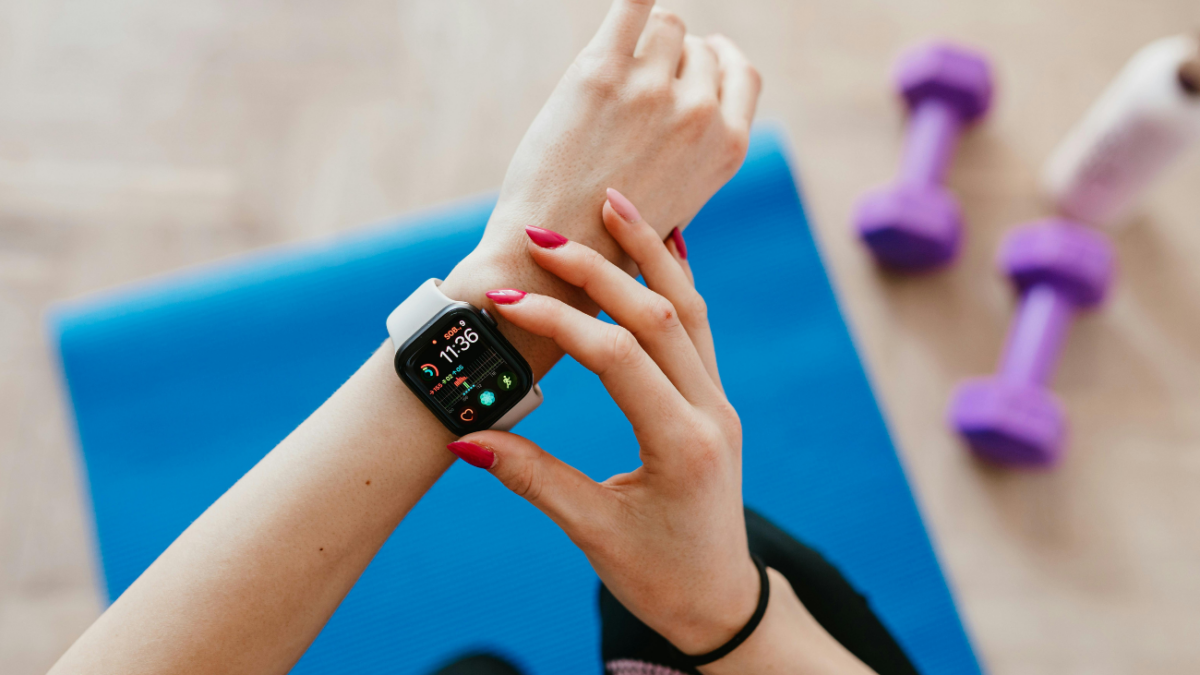
Smartwatches and fitness trackers have become a popular way to stay informed about health. These devices offer a range of features, including heart rate monitoring, sleep tracking, step counting, and even blood pressure readings. For many people, the idea of checking blood pressure with just a quick glance at the wrist seems convenient and empowering. But are these devices accurate enough to rely on? And can they replace traditional blood pressure checks done in a medical setting?
At Better Health Primary Care, we believe that technology can play a helpful role in managing your health. However, it is essential to understand the strengths and limitations of wearable devices—especially when it comes to monitoring something as critical as blood pressure. Relying solely on smartwatches for health decisions can lead to confusion, false reassurance, or even missed warning signs.
How Smartwatches Estimate Blood Pressure
To understand how smartwatches provide blood pressure readings, it helps to look at the technology behind them. Most smartwatches do not use an inflatable cuff, which is the standard method used in clinics and at home with validated monitors. Instead, they rely on a technique called photoplethysmography, or PPG. This method uses small sensors that shine light onto your skin and measure how much light is absorbed or reflected. These readings detect changes in blood flow and pulse wave timing, which the device then uses to estimate blood pressure through built-in algorithms.
Some smartwatches require you to calibrate them using a traditional blood pressure cuff. After calibration, the watch continues to provide estimates based on your baseline and heart rate patterns. Other models offer blood pressure estimates without any calibration at all. In both cases, the devices are not directly measuring pressure within your arteries, and that is where the concern lies.
Understanding the Accuracy Concerns
While smartwatch manufacturers continue to improve their technology, most wearables currently on the market do not meet the standards used for clinical blood pressure monitors. In fact, medical societies and regulatory bodies like the American Heart Association and the European Society of Hypertension require specific validation processes for any blood pressure device to be considered accurate and safe for medical use. Very few smartwatches meet these standards.
The readings you get from your smartwatch can vary widely based on a number of factors. For example, if the device is not placed correctly on your wrist, or if the band is too loose or too tight, the readings may be off. Skin tone, body movement, ambient temperature, and even hydration levels can all affect the quality of the sensor data. Some users may see consistent numbers, while others may notice large swings in their readings without any real change in their health status.
Another issue is the lack of consistent calibration. Even for watches that support calibration with a cuff, many users skip this step or forget to repeat it at the recommended intervals. Without regular calibration, the accuracy of blood pressure readings decreases significantly over time.
What This Means for Your Health
For people without existing health conditions, smartwatches can provide a general idea of their blood pressure trends over time. These trends may help users become more aware of their body and more motivated to adopt healthy habits like exercising regularly, drinking more water, or reducing salt intake. But when it comes to medical decisions—such as starting or adjusting blood pressure medication—these devices should never be the only source of information.
For individuals with hypertension, heart disease, kidney disease, or diabetes, the stakes are much higher. Relying on inaccurate blood pressure readings can delay treatment or create a false sense of security. Blood pressure that is too high or too low can lead to serious complications, including stroke, heart attack, or organ damage.
At Better Health Primary Care, we often see patients who are confused or concerned about the numbers they see on their devices. Some patients are alarmed by sudden spikes, while others feel reassured by low numbers that don’t match their clinical measurements. In both cases, the smartwatch data can be misleading if it’s not backed by proper clinical evaluation.
The Role of Clinical Blood Pressure Monitoring
Traditional blood pressure monitoring remains the most reliable method for evaluating cardiovascular risk. Whether it’s performed at our office using a professional-grade sphygmomanometer or monitored at home with a validated digital cuff, these methods provide a direct and accurate reading of the pressure inside your arteries.
In our clinic, we don’t just take a single reading. We look at your numbers over time, compare them to your baseline, and consider your symptoms, medications, and lifestyle. We may also ask you to monitor your blood pressure at home and bring your records to your appointments. This comprehensive approach helps us make informed decisions and tailor your care plan to your needs.
Combining Technology with Clinical Care
We believe that smartwatches and fitness trackers can be a helpful part of your wellness routine when used the right way. If you enjoy tracking your heart rate, steps, or sleep, these tools can help you stay engaged and motivated. When used alongside clinical care, wearable data can offer insights into how your body responds to stress, rest, or physical activity.
However, we always recommend that patients verify any unusual or concerning readings with a proper blood pressure monitor. If you want to track your blood pressure at home, we can help you choose a device that has been validated for accuracy. We can also show you how to use it correctly and how to keep a log that’s useful for your medical visits.
Special Considerations for Older Adults
Older adults may be especially vulnerable to inaccurate readings from smartwatches. As we age, our blood vessels become stiffer, and our circulation patterns may change. These factors can affect how wearable sensors read blood flow and pressure.
Our geriatric medical doctors are trained to understand the complex needs of older patients. We regularly assess blood pressure as part of a broader approach to aging well. For patients with arthritis, mobility issues, or chronic health conditions, we develop safe and effective activity plans that also support heart health.
As discussed in our article Staying Active in Your Senior Years with the Help of Geriatric Medical Doctors, physical activity can improve circulation, lower blood pressure, and support better outcomes. But all activity plans must be guided by accurate information, and that starts with reliable monitoring.
What You Should Do Next
Smartwatches and fitness bands are helpful tools—but they are not medical devices. They are designed to give you estimates and trends, not to replace the care and insight of a trained physician.
If you have concerns about your blood pressure or notice unusual numbers on your device, we encourage you to speak with your doctor. Regular checkups, accurate testing, and a personalized care plan are the best ways to protect your health and stay ahead of potential risks.
We’re Here to Help
At Better Health Primary Care, we offer complete support for managing blood pressure and heart health. From routine screenings to treatment planning and lifestyle coaching, our team is committed to helping you feel your best. If you’re using a smartwatch and have questions about your readings, we’re happy to review them with you and help you find the most reliable path forward.