
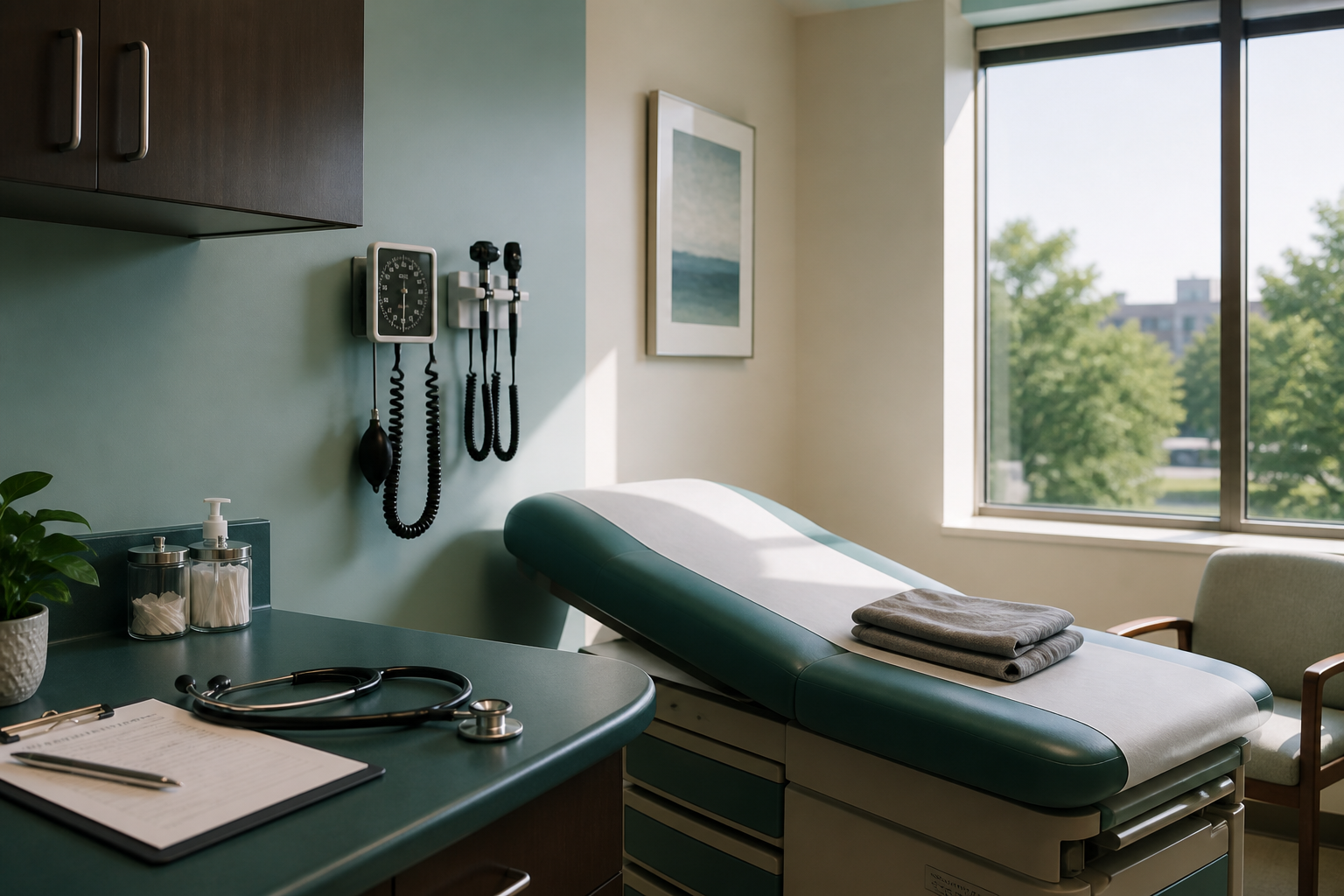
What a primary care doctor in Plano is for
If you need a primary care doctor Plano adults can actually stick with, you are looking for more than a same-day cold visit. A primary care doctor is the clinician who keeps your history in one place, helps you decide which symptoms can wait overnight, and makes sure prevention does not slip another year. In Plano and nearby Collin County, that usually means someone who can handle checkups, new problems, chronic condition follow-up, and referrals when a specialist truly helps.
Map results and homepage listings will get you clinic names. They rarely tell you how to choose, what a first visit covers, or when primary care beats urgent care. That is what this guide is for. For neighborhood orientation, use our Plano page. For a longer practice-comparison checklist, our older article on how to find a good family doctor in Plano still holds up. We are not rewriting that guide here. We are covering the visit path and the decision rules Plano adults ask about most.
What primary care actually covers day to day
A primary care doctor (PCP) owns the ongoing relationship. Think blood pressure trends, medication reviews, fatigue that has gone on too long, skin changes you cannot read, sleep that fell apart after a job change, and the quiet work of keeping vaccines and screenings current. They also help you choose which labs or imaging matter now and which can wait.
Primary care is not every clinic visit that treats a sore throat. It is continuity. Over months and years your PCP learns how you react to meds, whether stress shows up as headaches, and which family history should change screening ages. That context is hard to rebuild in a walk-in that only sees today’s chief complaint.
Public health agencies still treat having a usual source of care as a practical advantage. People with a regular clinician are more likely to get recommended preventive services and earlier attention for chronic conditions. You do not need a crisis to justify establishing care. Feeling fine is often the best time to start, because the visit can focus on plans instead of damage control.
Day-to-day primary care also includes the boring logistics that protect you later: updating your medication list after a hospital stay, reconciling what three different specialists each thought you were taking, and deciding whether a new symptom is a new problem or a flare of something you already manage. That coordination is quiet when it works. You notice it when it is missing.
PCP vs urgent care vs specialist for Plano adults
Plano adults bounce between options depending on the calendar and how bad something feels at 7 p.m. A simple split helps:
- Primary care: ongoing issues, prevention, medication follow-up, and problems that need a plan beyond today
- Urgent care: limited same-day problems when your PCP cannot see you soon enough
- Specialist: focused management after your PCP has a clear reason to refer, or a known condition that needs depth
Examples that fit primary care first: mild but persistent reflux, lingering fatigue, a mental health check-in, blood pressure creeping up at the pharmacy kiosk, medication refills that need a real review, and a wish-list for a full annual exam. Examples that often fit urgent care: a painful ear, a suspected UTI in an otherwise healthy adult, a minor sprain, or a short-term fever and cough when your regular clinic is closed. Examples that fit specialty: diabetes that needs endocrinology after primary care has started the basics, or a joint problem with imaging that points to orthopedics.
The common mistake is treating urgent care as default primary care. Urgent care is strong at episodic problems. It is weaker at medication continuity, lab trends, and remembering that the same chest-wall pain started after you moved boxes last fall. Specialists are excellent at depth and can over-test if nobody owns the big picture. Your primary care doctor should be that big-picture person.
Another Plano-specific pattern: people use a specialist they like for everything because the specialist answered the phone first. That can work for a while. It often fails when the issue is outside that specialty, when prevention falls behind, or when two specialists give conflicting advice and nobody merges the plan. Primary care is the merge lane.
How to choose a primary care doctor in Plano
Choosing is less about finding a perfect five-star review and more about fit for how you actually use care.
Start with access that matches your life. Ask how new-patient visits are scheduled and how follow-ups work for mild sick days. Plano traffic on Parker, Legacy, Preston, or the tollway changes what “close” feels like at 8 a.m. versus noon. A clinic five miles away can still be a bad fit if every available slot lands during your impossible commute window.
Next, look at scope. Adult primary care should cover chronic disease follow-up, preventive exams, basic acute visits, and referrals. Scan our services overview so you know what typically sits under one roof versus what needs outside referral. You do not need every specialty in the building. You do need a primary team that will coordinate when you do.
Pay attention to communication style. You want someone who explains tradeoffs in plain language. If you prefer direct plans with clear next steps, say so when you book or in the first five minutes of the visit. Continuity matters too. Ask who covers when your clinician is out and how you get results. A polished website matters less than a clear loop for labs and callbacks.
Finally, look for a prevention mindset. A strong PCP treats the annual visit as more than a formality. Read what is included in an annual physical exam so you know what a solid preventive visit looks like before you walk in.
For a longer vendor-selection checklist (office logistics, red flags, questions for the front desk), use the older family-doctor guide linked above. Keep that research pass and this visit guide separate so you are not reading the same advice twice.
What happens at a first primary care visit
A first primary care visit usually lasts longer than a follow-up. Expect forms on history, allergies, surgeries, family history, and current medications. Bring bottles or clear photos of labels. Guessing doses wastes minutes nobody has.
The clinician will ask what brought you in today and what you want over the next year. That second question matters. Some people need a full catch-up after years without care. Others just moved to Plano, already feel healthy, and mainly want a medical home before something breaks. Both are valid reasons to book.
Vitals come next: blood pressure, heart rate, weight, and sometimes oxygen or temperature. Then a focused exam based on age and concerns. You may talk about labs. Not every healthy adult needs a long panel every year. People with risk factors often do. You should leave with some version of a plan: what to watch, when to return, which screenings are due, and who does what next.
If you feel fine and wonder whether establishing care is worth the calendar block, that hesitation is common. We wrote about why you still need a checkup even if you feel fine for that exact stall. Quiet blood pressure elevation, early blood-sugar patterns, and overdue vaccines rarely announce themselves with drama. The first visit is also when you decide whether the clinician’s style works for you. Notice whether you felt rushed out of questions, whether explanations made sense, and whether the next step was written down somewhere you will actually see later.
Plano and Collin County life, without the fluff
Plano days get fragmented. Home near the tollway, a Dallas or Richardson office, kids’ activities toward Frisco, and errands that eat the only free lunch hour. Care gets delayed until a long weekend, then the long weekend fills up. Book the first visit the way you would book a flight you cannot miss. Put it on the calendar and protect the slot.
“Nearby” for Plano primary care often means a clinic you can reach without gambling half your day. Midday can be kinder than late-afternoon school pickup traffic. If you live west toward The Colony or east toward Murphy or Wylie, say so when you schedule if travel time is tight. Staff can help match appointment length to your commute reality.
Collin County growth also means a lot of adults establishing care for the first time after a move. Bring any records you still have, even incomplete ones. A two-year-old lab PDF and a medication list beat starting from a blank room every time. If your previous doctor was out of state, do not wait for a perfect records transfer before booking. Start the relationship, then fill gaps.
Weather and seasons matter more than people admit. Winter respiratory season fills same-week slots. Late summer sports physicals and school forms crowd calendars. If you only need primary care “sometime,” book before the calendar piles up rather than after everyone else has the same idea.
When to book primary care vs go somewhere else today
Book primary care soon if you have no regular clinician, your meds need a real review, you want an annual exam, or symptoms have lasted more than a few days and are not emergencies. Use urgent care or emergency care for red flags: severe chest pain, sudden weakness, trouble breathing, heavy bleeding, or a mental health crisis.
Grey-zone issues happen. A low-grade fever with body aches may be fine for a next-day primary care slot. A fever with stiff neck or confusion is not a wait-it-out problem. When you are unsure, call and describe severity, duration, and what already changed. Triage works better with specifics than with “I just feel off.”
If you already have a specialist for one condition, still establish primary care for everything else. Your orthopedist does not own your blood pressure, vaccines, or the vague fatigue that started after you changed jobs. Splitting care without a PCP often means duplicate labs and nobody watching interactions between prescriptions.
Checklist before you walk in
A short prep list makes the first visit smoother for everyone.
- Photo ID and whatever portal or intake details the clinic asked for at booking
- Full medication and supplement list, including doses
- Outside records, prior surgeries, and hospitalizations you want reviewed
- Home blood pressure or glucose logs if you track them
- A short ranked list of questions so the visit does not end on the door-handle question alone
- Forms you need signed (school, work, sports) if you hope to finish them the same day
Wear clothes that make blood pressure and a brief exam easy. Skip inventing a perfect diet story. Clinicians would rather hear what you actually eat and how you sleep than a polished version. Honest answers lead to better plans.
How Plano patients usually book
Search results for primary care doctor Plano often surface maps and homepage listings first. Those are useful for finding a door. Editorial guides like this one help you decide what to expect before you click schedule. Better Health serves Plano and Collin County adults who want primary care with a prevention focus, not only episodic sick visits.
When you book, say you want to establish primary care or schedule a primary care visit, not only a one-problem stop. That one sentence shapes how much time is reserved and what the visit can cover. Mention annual exam goals, medication reviews, or forms if those are part of why you are coming.
You can schedule an appointment when you are ready. Use the Plano page for local orientation, use services to scan the care mix, then protect the slot on your calendar the way you would protect any other non-negotiable appointment.
Plano primary care questions
What does a primary care doctor in Plano actually do?
A primary care doctor manages ongoing health: checkups, new symptoms, chronic condition follow-up, medication reviews, prevention, and referrals when specialty care is needed. The point is continuity, not only treating one acute problem. Over time, your PCP learns your baselines and helps you decide what can wait versus what needs same-day attention. In Plano, that often includes adults who also travel for work across North Dallas and need a medical home that holds the full plan together.
Should I go to primary care or urgent care first?
Choose primary care for ongoing issues, prevention, medication follow-up, and problems that need more than a one-visit fix. Choose urgent care for limited same-day problems when your PCP cannot see you soon enough. Red-flag symptoms belong in emergency care. If you are stuck in the middle, call and describe how long the issue has lasted, how severe it is, and what already changed. Good triage depends on details, not just the label of the clinic.
What should I expect at a first primary care visit?
Expect a longer visit than a routine follow-up. You will cover history, medications, vitals, a focused exam, and a plan for labs or screenings when they fit your age and risks. Bring records and a question list so the visit stays organized. Leave knowing what happens next, not only that someone listened. If you feel fine but have not established care, say that up front so the visit can focus on prevention and a yearly rhythm instead of only today’s symptoms.
How is this different from the older family doctor guide?
The older guide focuses on how to evaluate and compare family doctors in Plano. This post focuses on what primary care covers, how it differs from urgent care and specialty care, and what happens in a first visit. Use both if you are still choosing a practice. Start here if you already know you need a medical home and want visit expectations. We link the older guide instead of rewriting it so each page keeps a clear job.
How do I book a primary care visit in Plano?
Schedule online or by phone and say you want to establish primary care or book a primary care visit, not only a short sick visit. Mention annual exam goals, medication reviews, or forms if you need them. Bring ID, your medication list, and questions. You can schedule through Better Health when you are ready, then use the first visit to set labs, screenings, and follow-up timing for the months ahead.