A Farmers Branch clinic should be a regular care path, not a one-off visit
If you searched for a farmers branch clinic, you probably want a place you can return to. Not another walk-in that starts from zero. Our Farmers Branch location page covers where we see patients. This page is the care path: how to establish primary care, what a first visit includes, and when urgent care is the wrong start.
Adults in Farmers Branch, Carrollton, and North Dallas often land on “clinic” searches after a move, a leftover work form, or a year of treating every problem as a one-off. The practical goal is simpler. Pick a clinician who will keep a chart, then show up with a short list of concerns.
A medical clinic is not a trophy listing. It is the office that already knows your medications, notices when blood pressure drifts, and does not make you restart the story every time you feel off.
Why Farmers Branch adults end up at urgent care first
Farmers Branch sits between work and home for a lot of people. I-35E, I-635, and the Valwood corridor make a same-day urgent care feel like the reasonable choice. A sinus infection at 7 p.m. does not wait for a perfect medical home. That is fine for a short problem. It gets costly in time when the next visit is a different clinician who does not know last month’s numbers.
Public-health tracking from CDC and NCHS has long shown that adults with a usual source of care complete more recommended preventive services. You do not need a lecture to feel that. You feel it when someone already knows your medications.
If you already had an annual exam nearby, that does not automatically mean you have a clinic relationship. An exam can be a checklist. Primary care is the person you call when something changes.
People who commute into North Dallas or live near Carrollton often keep putting this off because it feels like paperwork. It is mostly a first visit and a follow-up date. The second visit is where the relationship becomes real.
Clinic, urgent care, or specialist: which visit fits in Farmers Branch?
People searching for a Farmers Branch medical clinic mix three jobs. Naming the job first saves a trip.
Primary care is ongoing adult health: a new-patient visit, blood pressure, cholesterol, fatigue that has lasted weeks, medication review, and the “I do not feel like myself” visits that do not belong in an ER. Urgent care is for a problem that needs attention soon but is not an emergency: a sprain you can walk on, a fever that started yesterday, a possible strep throat. A specialist is for a focused problem after primary care has a reason to refer, or when you already have a diagnosed condition that needs that specialty.
- Use a Farmers Branch clinic / primary care visit when you want a clinician who will see you again and manage more than one issue.
- Use urgent care when you need a same-day answer for a short, isolated problem and you cannot wait for a scheduled visit.
- Use the ER for chest pain, trouble breathing, stroke symptoms, severe bleeding, or anything that feels immediately dangerous.
- Use a specialist when primary care has a specific question that needs that training, not as your first stop for a vague symptom.
Do not use a primary care search to find an accident or injury doctor for a car crash. That is a different intent and a different visit. If you need emergency care, go there first. You can still establish primary care afterward.
Carrollton adults who already have a regular doctor can keep that home. Continuity beats crossing a city line for a slightly different waiting room. If you spend most of your week in Dallas, compare this path with Dallas primary care and pick the office you can actually return to. Nearby Carrollton care is covered on our Carrollton primary care page.
What establishing care at a Farmers Branch medical clinic includes
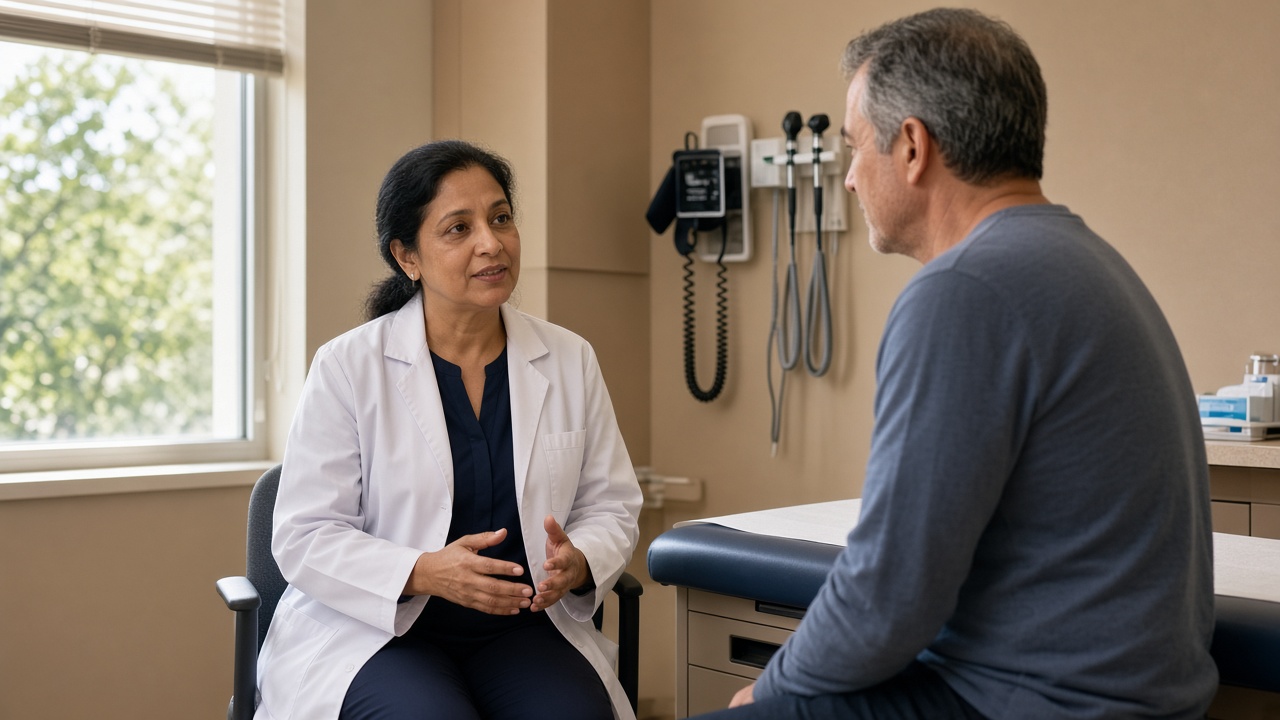
A first visit usually starts with why you scheduled. Name the two or three concerns that matter most. If you wait until the last minute to mention the symptom that actually worried you, you may run out of time.
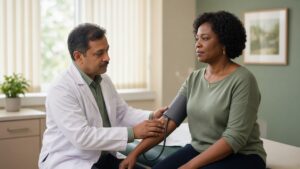
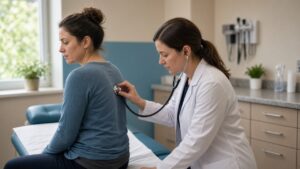
Expect vitals: blood pressure, heart rate, weight, sometimes oxygen or temperature. Expect questions about medications, allergies, surgeries, and family history. If you have recent labs from another office, bring them or have them sent ahead. Repeating every test on day one is not always necessary, and it is not always skipped. The clinician should explain which numbers they want now and which can wait.
A useful first visit often includes:
- A problem list in plain language, not only diagnosis codes
- Which issues will be handled here versus referred
- Whether blood work is needed before the next visit
- When you should come back, even if you feel fine
- How to message the office if a symptom changes
This is not the same as an annual physical in Farmers Branch. A physical is a structured prevention visit. A new-patient primary care visit is about establishing care and tackling the issues that brought you in. You can do both over time. You do not have to pretend the first hour is a complete yearly exam.
Ask who you will see at the second appointment. That one question filters a lot of noise. A named clinician and a chart that stays with you matter more than a long list of services on a homepage.
How this differs from an annual physical
An annual physical is useful. It should not be the only time you contact a clinic. Blood pressure does not wait for a birthday. A new medication side effect should not wait either.
Think of the physical as a scheduled tune-up. Think of primary care as the team you call when something changes. The people who get the most out of a Farmers Branch clinic relationship use both: a yearly prevention visit, plus shorter visits when a problem appears.
If you already had a physical this year and you still do not feel like you have a doctor, that is a signal. The exam happened. The relationship did not. Book a new-patient primary care visit and say you want ongoing care, not another one-time checklist. Details of the yearly exam live on our annual physical Farmers Branch page. This page is for the clinic path around it.
Between visits, use the portal or phone for refill questions and new symptoms that are not emergencies. A practice that only exists once a year is not primary care. It is a yearly appointment.
How to prepare so the first clinic visit is useful
You do not need a perfect medical file. A short, accurate summary is enough.
- Write the two or three reasons you booked, in the order that matters to you.
- List every medication and supplement, including doses if you know them. A photo of the bottles works.
- Note allergies and past reactions, not only the drug name.
- Bring dates of major surgeries, hospitalizations, and last labs if you have them.
- Write family history that actually affects you: diabetes, early heart disease, cancer, thyroid disease.
- Bring your questions on paper. Memory gets worse in exam rooms.
If you moved from another city, request records before the visit when you can. If you cannot, still go. A first visit can start with what you remember and fill gaps later. Skipping care because the file is incomplete usually costs more time than it saves.
Wear something you can get a blood pressure cuff on. Eat normally unless you were told to fast for labs. If fasting was requested, confirm the time. Showing up hungry and unclear about the plan is a common, avoidable mess.
What a regular doctor near Farmers Branch can help organize
Primary care can be a starting point for prevention and for symptoms that do not yet have a specialist attached.
Blood pressure and cholesterol belong here. So do fatigue, sleep problems, lingering cough, skin issues that are not an emergency, and the “I gained weight and I do not know why” conversation. Women’s health concerns often start in primary care as well, including screening questions and whether a gynecology referral is the next step.
Weight is a medical issue, not a willpower lecture. If that is a main goal, say so at the start of the visit. Diabetes follow-up can live in primary care for many adults, with endocrinology when the picture gets more complex. You do not have to guess the specialty on day one. Tell the clinician what has already been tried and what you are worried about now.
Sports injuries, work forms, and travel questions also show up in primary care. Some of those need a dedicated visit type. The point is to have a home base so those one-off visits do not become your entire medical history.
If you live closer to Dallas most days, our Dallas location page and Dallas primary care guide can help you compare. The medical work is similar. The practical difference is where you can keep follow-up.
When a Farmers Branch clinic is not the right start
Primary care is a starting point, not a substitute for every other setting.
Go to the emergency room for chest pain, sudden weakness, trouble speaking, severe shortness of breath, or bleeding you cannot control. Do not drive yourself if you might pass out. Urgent care is a better fit for a likely ear infection at 8 p.m. than a primary care office that is closed.
Some problems need a specialist sooner: a new breast lump with concerning features, a rapidly changing mole, or a neurologic change that is not a one-time headache. Primary care can still help you get there. It should not delay emergency care.
Mental health crises, thoughts of self-harm, and substance withdrawal also need the right setting, which may be emergency or dedicated behavioral health, not a routine new-patient slot. If you are in danger, get emergency help first. You can still establish primary care afterward.
Auto-injury and accident visits are not the same as establishing a medical clinic home. If that is the only reason you searched, start with emergency or urgent care as the injury requires. Come back to primary care when you want ongoing adult care.
Questions that tell you the clinic is a real medical home
You do not need a perfect practice on the first search. Start with the care experience you want, then test it at the first visit.
- Who will I see at the next visit if I need follow-up labs?
- How do I reach someone if a symptom gets worse before the follow-up?
- What should I do if I need a same-week sick visit?
- Which problems do you handle here, and which do you refer?
- If I already have diabetes, blood pressure, or a weight-loss goal, how do we track that here?
Notice how the answers feel. Vague cheerfulness is not a plan. A short, specific answer is. If the visit is mostly forms and almost no conversation, that is data. You are allowed to try a different clinician.
Also notice the small logistics that will decide whether you return: parking, after-work hours, and whether the staff explains the next step before you leave. North Dallas traffic is real. A clinic that only works if you can take a weekday morning off may not be the one you keep.
A practical first step for Farmers Branch and North Dallas adults
If you have been relying on urgent care for every new question, you do not have to overhaul everything this week. Book one new-patient visit. Bring the short list. Ask for a follow-up date before you leave.
Adults in Farmers Branch often wait until a form is due or a number looks scary. That is a fine reason to start. It is a poor reason to stop. The second visit is where the relationship becomes real: labs come back, medications get adjusted, and you stop repeating your history.
Better Health’s Farmers Branch care is built around that ongoing path, not a one-time exam. If you are ready to schedule, use the appointment page and say you want to establish primary care. If you are still comparing Dallas and Carrollton, read those guides, then pick the office you can keep returning to.
You can schedule a Farmers Branch primary care visit when you have those two or three concerns written down. That is enough to start.
Ready to book Farmers Branch primary care?
Bring your main concern, medication list, and questions about follow-up. If you want a long-term doctor rather than another one-off visit, say that when you book. The first appointment is where we learn what you need next.
Farmers Branch primary care questions
What should I look for in a Farmers Branch clinic?
Look for continuity, not a directory dump. A useful Farmers Branch clinic is a clinician you can see again, who has time for history, and who leaves you with a next step. Ask who you will see at follow-up, how sick visits work, and how the office handles labs. Star ratings mix wait times and bedside manner. They cannot tell you whether you felt heard in the room.
Is a Farmers Branch medical clinic the same as urgent care?
No. Urgent care is built for a short, isolated problem that needs attention soon. A medical clinic / primary care visit is for ongoing adult care: establishing a chart, managing more than one issue, and planning follow-up. You can use both. If every visit starts from zero, you have urgent access, not a clinic home.
What happens at a first primary care visit in Farmers Branch?
A first visit usually covers why you came, your medications and history, vitals, and a plan for what to do next. It may include labs, or it may wait until the clinician knows what they need. It is not automatically a full annual physical. Come with two or three priorities written down so the time does not disappear into paperwork.
I already had an annual physical in Farmers Branch. Do I still need a PCP?
Often yes. A physical is a structured prevention visit. Primary care is the relationship around it, including sick visits and questions that come up between birthdays. If you already had a physical this year and still do not feel like you have a doctor, book a new-patient visit and say you want ongoing care.
When should I use urgent care instead of a Farmers Branch clinic?
Use urgent care for a short problem when you cannot wait for a scheduled visit, such as a likely strep throat or a sprain you can walk on. Use the ER for chest pain, trouble breathing, stroke symptoms, or severe bleeding. Use primary care when you want someone who will see you again. If you are unsure, book primary care and say so.
How is this different from primary care in Carrollton or Dallas?
The medical work is similar. The practical difference is where you can keep follow-up. If Farmers Branch is where you actually live your week, a local clinic home is easier to use. If Carrollton or Dallas is already your medical home and you can keep those visits, stay there. Continuity matters more than crossing a city line for a slightly different waiting room.