What sports injury treatment looks like in Plano
If you are looking for sports injury treatment Plano athletes and parents actually use, you usually want a clear path, not a pile of conflicting advice. Club soccer in Frisco, school football in Plano, weekend pickleball, and gym training all create the same question after a twist, tweak, or nagging ache: what does care look like from the first visit through getting back on the field?
This guide covers the treatment path. It is not a triage checklist. For red flags and timing of when to get checked, start with sports injuries in Plano: when to see a doctor. Here we focus on what a sports medicine evaluation includes, how primary care sports visits differ from orthopedic referral, and how common ankle, knee, and shoulder problems are usually handled at a high level.
Plano and Frisco calendars fill fast once school sports and club seasons ramp up. Knowing the care sequence ahead of time saves you from guessing between urgent care, a sports doctor near you, and waiting it out until the next game day.
Treatment path vs triage: two different jobs
Triage answers “should I go now?” Treatment answers “what happens after I book?” Mixing those questions creates frustration. Someone with a swollen ankle may need same-day care; someone with six weeks of shoulder tightness needs a structured plan, not another ice pack meme.
Use the when-to-see guide for urgency and warning signs. Use this page for the visit itself: history, exam, imaging decisions, activity limits, rehab steps, and when a specialist referral makes sense. If overuse is the pattern rather than one hard collision, also read when to see a doctor for overuse injuries.
Parents often arrive with a screenshot from a team chat. Bring that if it helps, but the useful facts are simpler: what moved wrong, when swelling showed up, whether weight bearing changed, and how practice load looked that week.
Primary care sports evaluation vs orthopedic referral
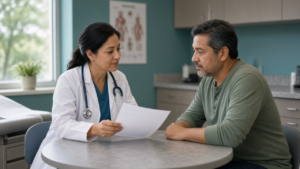
Most sports injury pain does not start in an operating room. A primary care sports evaluation is often the right first door for sprains, strains, overuse complaints, return-to-play questions, and unclear pain that still lets you walk into the clinic. The clinician reviews the mechanism of injury, examines the joint or soft tissue, checks strength and stability, and decides whether rest, bracing, rehab, medication for short-term pain control, or imaging is next.
Orthopedic referral becomes more useful when the exam suggests a structural problem that may need specialty procedures, when imaging already shows a tear or fracture pattern outside routine management, or when progress stalls after a solid first plan. Referral is a tool, not a status upgrade. Starting with a sports medicine visit often clarifies whether you need that next step at all.
Think of it this way:
- Primary care sports eval: first diagnosis, activity guidance, basic imaging orders, bracing, rehab direction, return-to-play timing
- Orthopedic referral: complex instability, surgical decision-making, advanced fracture care, or unresolved cases after initial treatment
- Urgent or emergency care: open injury, severe deformity, inability to bear weight with high concern, numbness with progressive weakness, or other red-flag presentations covered in the triage post
If you searched for a sports injury pain doctor in Plano because you are stuck between “tough it out” and “drive to a specialist,” a structured sports medicine visit is usually the middle path that actually moves the plan forward.
What happens in a first sports medicine visit
Expect a detailed story first. Clinicians want the sport, position, surface, footwear, practice volume, and whether this was a single event or a slow build. They will ask what you can still do and what makes pain spike. Bring prior imaging on a phone or portal printout if you have it. Note any prior sprains on the same side. Old ankle instability often explains why a “simple twist” felt worse than expected.
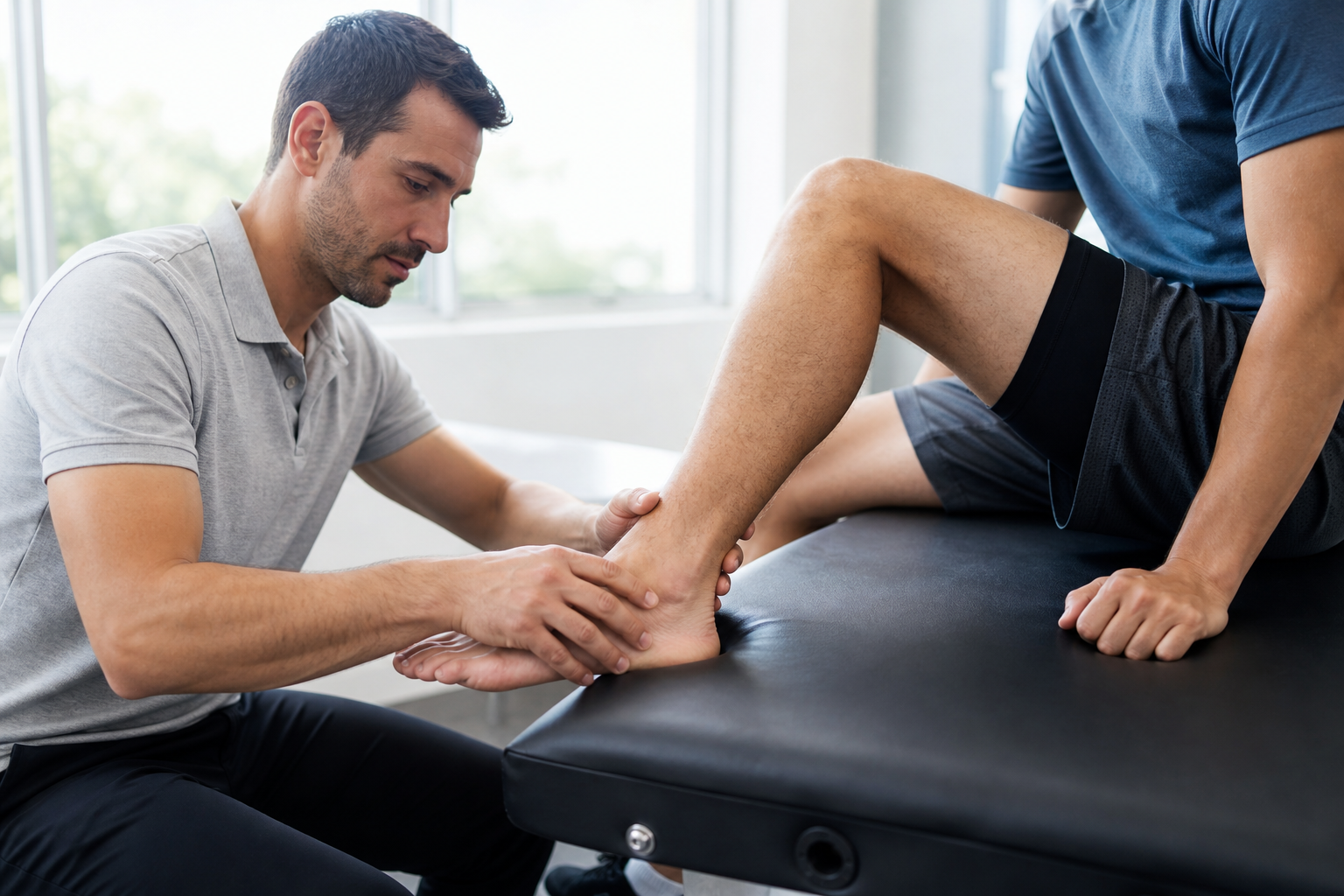
The exam is hands-on. Range of motion, swelling, tenderness maps, ligament tests, strength checks, and sometimes gait or sport-specific movement screens. Not every visit ends with an X-ray. Imaging is ordered when it changes the next decision, not to decorate the chart.
You should leave with three things written down: the working diagnosis (even if provisional), clear activity limits, and the follow-up or rehab plan. If those three pieces are fuzzy, ask before you walk to the parking lot. Plano traffic will not improve your memory of verbal instructions.
Common Plano athlete injuries at a high level
School and club sports around Plano and Frisco create a familiar pattern of sports injuries in Plano TX seasons: ankles from cutting and landing, knees from pivoting and sudden stops, shoulders from overhead throwing or falls. The details differ by sport, but the treatment logic shares a few themes.
Ankle injuries
Lateral ankle sprains are common after a roll on turf or court. Early care focuses on protecting the joint, controlling swelling, restoring motion, and rebuilding balance so the next cut does not recreate the injury. Bracing may help for return to sport after healing milestones, not as a forever crutch. Persistent giving-way, catching, or pain that does not improve on schedule deserves a recheck rather than another month of hoping.
High ankle patterns and fractures need a different plan. That is why a sports doctor near me search should land on evaluation, not only RICE tips from a blog. Self-care can support early comfort. It cannot grade a ligament for you.
Knee injuries
Knee complaints range from patellofemoral irritation and tendon overload to ligament sprains and meniscus issues. Treatment may include load management, strength work for hips and quads, bracing in selected cases, and imaging when the exam raises concern for internal derangement. Sudden swelling after a pivot, a pop at injury, locking, or true instability should be evaluated promptly rather than “tested” through another full practice.
Many Plano athletes try to negotiate a return for playoffs. The better question is what the knee needs to do safely, not what the bracket needs. A sports medicine plan can often keep conditioning going with modified work while the joint recovers.
Shoulder injuries
Throwers, swimmers, volleyball hitters, and weightlifters show up with different shoulder stories that share the same clinic questions: is this irritation from overload, a stability problem, or something that needs specialty input? Early treatment often means adjusting volume, correcting mechanics where possible, and guided rehab for scapular and rotator cuff strength. Night pain, weakness with elevation, or trauma after a fall change the urgency.
Do not let a “rest a few days” habit turn into three silent months of lost range. Shoulders that stiffen can take longer to restore. Early clarity is kinder than late catching up.
Rest, load, and the push-through decision
Athletes get stuck between two bad defaults: stop everything for weeks, or push through because the coach needs bodies. Real treatment sits in the middle. Some tissues need relative rest. Others need carefully graded loading. Pain that worsens for days after each session is different from mild discomfort that settles within 24 hours.
For a deeper take on that decision, see when to push through and when to rest. Bring that framework into the visit. Tell the clinician what “pushing” has already looked like. Honest training history leads to better return plans than a polished story that hides missed practices.
Warm-ups are not magic, but they are part of reducing avoidable strain. If your team rushes into high-intensity work cold, read does warming up prevent injury and ask how warm-up habits fit your rehab. Prevention and treatment talk to each other.
Imaging, braces, and rehab: what usually comes next
After the first exam, next steps often look like one or more of these:
- Home care instructions with specific limits (not vague “take it easy”)
- Short-term bracing or taping guidance when it supports healing or confidence
- Physical therapy or home exercise progressions tied to milestones
- X-ray or other imaging when the exam indicates it
- Referral when specialty care would change management
CDC and sports medicine groups have long emphasized that many musculoskeletal injuries respond to timely evaluation and graduated return rather than endless rest alone. Your plan should name milestones: walking without limp, full motion, strength symmetry targets, and sport-specific drills before full competition.
Ask what “worse” means for your injury so you are not guessing at 10 p.m. after practice. Clear stop rules keep small setbacks from becoming restart-from-zero weeks.
Local reality for Plano and Frisco sports seasons
Late summer and early fall stack tryouts, two-a-days, and club tournaments. Heat and compacted schedules raise overuse risk even in conditioned athletes. Winter indoor seasons and spring multi-sport athletes create the same pileup in different months. If your kid plays for a Plano ISD team and a Frisco club on overlapping weeks, say that in the visit. Load is part of the diagnosis.
Adult athletes have their own version: early meetings, lunch workouts, and weekend tournaments. Treatment plans fail when they assume unlimited recovery days. Tell the clinician your real calendar. Modified training beats perfect plans nobody can follow.
Better Health’s sports medicine service is built for that local athlete and active-adult mix. You do not need to invent a specialty label before booking. You need a clear evaluation and a plan you can execute between practices.
How to prepare so the visit is useful
A little preparation changes the quality of the appointment.
- Write the injury timeline: date, mechanism, swelling delay, what you tried
- List sports, positions, and weekly practice hours including club and school
- Bring shoes or braces you currently use if they relate to the problem
- Note medications and prior injuries on the same joint
- Decide your top two goals (pain control, playoff return, lifting again, sleep without throbbing)
If a coach or athletic trainer already gave restrictions, bring that note. Coordination beats conflicting advice from three adults who never see each other’s messages.
When you are ready to book, schedule an appointment and mention sports injury so the visit is routed correctly. Say the body part and whether this is acute or weeks of lingering pain. That one sentence helps staff set expectations.
Return-to-play without the guesswork
Return-to-play is a sequence, not a single green light. Pain-free walking does not equal game-ready cutting. Full motion does not equal sport strength. A good plan stages drills: controlled strength, then sport-specific movement, then contact or high-intensity work when relevant.
Parents sometimes hear “cleared” and assume unlimited minutes. Ask what cleared means: full practice, limited minutes, or conditioned work only. Put the answer in writing. Ambiguity is how reinjury sneaks in during the first tournament weekend.
If progress stalls, do not silently add extra drills from social media. Recheck. Sometimes bracing needs a change. Sometimes load was advanced too fast. Sometimes the working diagnosis needs a second look. Stalling is information, not failure.
Myths that delay sports injury care
Myth one: if you can walk, it is fine. Walking and pivoting are different jobs. Myth two: icing for a week replaces evaluation. Ice can help comfort. It does not diagnose. Myth three: you should wait until the season ends. Delayed care often means a longer rebuild, not a heroic finish.
Another delay is shopping for the “perfect” specialist before any exam. Many athletes need a first sports medicine visit more than they need a specialty office on day one. Start where the history and exam can happen quickly, then escalate with purpose.
Comparing clinic marketing pages rarely helps either. Focus on the plan you receive: diagnosis, limits, rehab steps, and follow-up. That is the product that matters.
Putting the Plano treatment path together
Sports injury treatment in Plano works best when triage and treatment stay in their lanes. Use the when-to-see guide for urgency. Use a sports medicine evaluation for diagnosis, activity limits, imaging decisions, and return-to-play staging. Escalate to orthopedics when the first plan or the exam says you should.
Ankle, knee, and shoulder problems dominate local school and club seasons, but the care pattern is the same: clear history, solid exam, graded loading, and honest calendars. If pain has already cost practices or sleep, pick a date for evaluation instead of waiting for the next tough loss to force the issue.
For service details, revisit sports medicine at Better Health. For timing and warning signs, keep when to see a doctor for sports injuries in Plano handy. Together they cover the full path from “is this urgent?” to “what does care look like now?”
Sports injury treatment questions
What does sports injury treatment in Plano usually include?
Most first visits include a detailed injury history, a hands-on exam, clear activity limits, and a plan for bracing, rehab, imaging, or follow-up as needed. You should leave knowing the working diagnosis, what to avoid, and what milestones come next. Treatment is not one product. It is a sequence from evaluation through return-to-play. Ask for those pieces in writing before you leave.
Should I see primary care sports medicine or an orthopedic specialist first?
Many athletes do well starting with a primary care sports evaluation for sprains, strains, overuse pain, and unclear joint complaints. Orthopedic referral fits better when the exam or imaging suggests a structural problem that may need specialty procedures, or when progress stalls after a solid first plan. Starting with sports medicine often clarifies whether specialty care is required. Urgent or emergency settings are for red-flag injuries covered in our triage guide.
How is this different from the when-to-see-a-doctor sports injury post?
That post focuses on timing and warning signs: when to get checked and what should not wait. This page explains what care looks like after you book: evaluation steps, common ankle, knee, and shoulder paths, rest versus load decisions, and return-to-play staging. Use both. One helps you decide to come in. The other explains what treatment usually involves once you are there.
Do I need imaging before treatment starts?
Not always. Imaging is useful when it changes the next decision, such as ruling out fracture or clarifying internal knee or shoulder concerns after a concerning exam. Many soft-tissue injuries begin with clinical diagnosis, protection, and graded rehab. If imaging is ordered, ask how the result will alter your plan so you know what you are waiting for.
Can I keep practicing while I recover?
Sometimes yes, with modifications. Sometimes no, for a defined period. The answer depends on the tissue involved, pain behavior after sessions, and sport demands. A good plan often preserves conditioning with alternate work while the injured area heals. Guessing through full practices is how reinjury happens. Ask for specific limits rather than a vague “listen to your body” instruction alone.
How do I book a sports injury evaluation at Better Health?
Schedule an appointment and mention a sports injury, the body part involved, and whether the problem is new or lingering. That helps route the visit to sports medicine appropriately. Bring your injury timeline, training schedule, and prior imaging if you have it. You do not need a perfect self-diagnosis before booking. You need a clear first evaluation and a plan you can follow between practices.