A Family Guide to Recognizing the Warning Signs
High blood pressure, or hypertension, is one of the most common health conditions in the world, affecting millions of people across all age groups. Often, it develops quietly, showing no obvious symptoms for years. Because of this, hypertension is frequently called the “silent threat.” But while most cases can be managed with regular check-ups, lifestyle adjustments, and medications, there are times when high blood pressure surges to levels that put life and health at immediate risk.
For families caring for loved ones—especially older adults—knowing the difference between routine hypertension and a hypertensive emergency is crucial. Recognizing the early warning signs can mean the difference between safe recovery and serious, lasting complications.
Understanding Blood Pressure Numbers
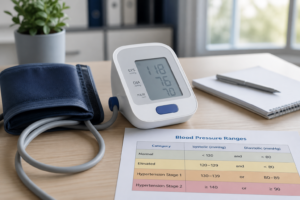
Blood pressure is expressed in two numbers: systolic (the pressure when the heart contracts) and diastolic (the pressure when the heart rests between beats). A normal reading is about 120/80 mmHg. Readings consistently above 130/80 mmHg fall into the hypertension range and need attention.
However, not every high reading signals a crisis. A person may have moderately high blood pressure for years without immediate danger, provided it is being monitored and controlled. The real red flag comes when numbers spike to around 180/120 mmHg or higher. At this level, the force of the blood against artery walls can begin damaging organs such as the brain, heart, kidneys, and eyes.
This is why understanding the context of the numbers—along with the symptoms a person may be experiencing—is so important for families.
The Red Flags Families Cannot Ignore
When blood pressure rises dangerously high, it is not only about the numbers on the screen. The most important signs are those that suggest the body is struggling to cope. For example, a sudden and severe headache can signal rising pressure in the brain. Chest pain or a feeling of tightness may point to the heart working under strain. Shortness of breath can indicate that the lungs and circulatory system are being overwhelmed.
Vision changes such as blurriness, flashing lights, or sudden blindness may occur if blood vessels in the eyes are damaged. Even more concerning are neurological symptoms—confusion, slurred speech, difficulty understanding, or weakness on one side of the body—all of which can signal a stroke in progress. Seizures, fainting, or complete loss of consciousness are also unmistakable warnings that something serious is happening.
When these symptoms appear alongside an extremely high blood pressure reading, it is no longer safe to “wait and see.” This is the moment when families must act quickly and call for emergency help.
Hypertensive Urgency vs. Hypertensive Emergency
Doctors use two terms to describe very high blood pressure: hypertensive urgency and hypertensive emergency.
In a hypertensive urgency, blood pressure is extremely high—usually over 180/120 mmHg—but the person does not show obvious signs of organ damage. While this situation is serious, it often does not require hospitalization. Instead, doctors may adjust medications, provide monitoring, and create a safer treatment plan.
A hypertensive emergency, on the other hand, is when high blood pressure is not only elevated but actively harming the body. This might mean the person is experiencing chest pain from a possible heart attack, signs of a stroke, or kidney problems. These cases require immediate hospitalization, often with intravenous medications and careful monitoring to bring blood pressure down in a controlled way.
Families do not need to make this distinction on their own. What matters is recognizing the severity of the symptoms and getting professional help as quickly as possible.
How Everyday Habits Quietly Push Blood Pressure Higher
High blood pressure emergencies do not appear out of nowhere. Often, they are the result of years of strain on the body. Everyday habits can make a significant difference, sometimes quietly pushing numbers higher without people realizing it.
The article The Workday Habits Quietly Pushing Your Blood Pressure Higher highlights some common contributors. Long hours of sitting reduce circulation, forcing the heart to work harder over time. Relying on coffee, energy drinks, or salty snacks to get through the day adds even more stress to the cardiovascular system. Work-related stress keeps the body locked in “fight-or-flight” mode, constricting blood vessels and elevating pressure. And poor sleep—whether from late nights, screen use, or insomnia—robs the body of the chance to reset, making it harder to regulate blood pressure naturally.
Families may not always connect these daily patterns to long-term health risks, but over months and years they accumulate, raising the risk of sudden crises. Recognizing and addressing these habits early can be just as important as taking medication.
What Families Should Do in a Hypertensive Crisis
When confronted with very high blood pressure and symptoms of organ stress, the most important step is to act without hesitation. Families should first confirm the reading with two or three checks, spaced a few minutes apart. If the numbers remain extremely high and symptoms are present, call emergency services immediately.
It is important not to try quick fixes at home, such as doubling up on medication or using remedies not prescribed by a doctor. Sudden drops in blood pressure can cause their own complications. While waiting for help, staying calm and reassuring the loved one is key, since anxiety can worsen the situation.
Bringing a list of medications, recent blood pressure readings, and relevant medical history to the hospital helps doctors respond quickly and effectively.
Preventing Emergencies Before They Happen
The best way to deal with a hypertensive emergency is to prevent one altogether. This means building routines that keep blood pressure in check long before it reaches crisis levels. Regular doctor visits allow for early detection and management. Using a home blood pressure monitor gives families a clear picture of trends rather than waiting for symptoms to appear.
Lifestyle changes also play a powerful role. Reducing salt intake, moving more throughout the day, managing stress, and getting adequate sleep all help keep blood pressure stable. As the MyBetterHealth article points out, addressing the subtle daily choices we make—like how often we stand, how much caffeine we drink, and whether we prioritize rest—can significantly lower the risk of ever facing an emergency.
For seniors, especially those juggling multiple prescriptions, ensuring medication adherence is critical. Family involvement in keeping track of doses and watching for side effects makes management safer and more effective.
When to Involve Specialist Care
Sometimes, even with careful monitoring and healthy routines, high blood pressure becomes difficult to manage. This is especially true for older adults or those with multiple chronic conditions such as diabetes, kidney disease, or heart problems. In these cases, involving a specialist—such as a cardiologist or geriatric doctor—can make a major difference.
Specialists are trained to coordinate complex care, streamline medications, and monitor for complications across multiple body systems. They can also help families plan ahead, ensuring that loved ones remain as independent, safe, and comfortable as possible.
The Bottom Line
High blood pressure is common, but it is never harmless. Most of the time, it can be managed with consistent care and healthy habits. But when numbers climb to dangerous levels and symptoms of organ damage appear, it becomes a true emergency.
For families, the key is awareness: knowing what signs to look for, acting quickly when they appear, and taking preventive steps to reduce risks in everyday life. With the right balance of vigilance, healthy routines, and medical guidance, it is possible to protect loved ones from the most dangerous consequences of hypertension—and ensure they enjoy a longer, healthier future.
For further reading: The Workday Habits Quietly Pushing Your Blood Pressure Higher — MyBetterHealth Care