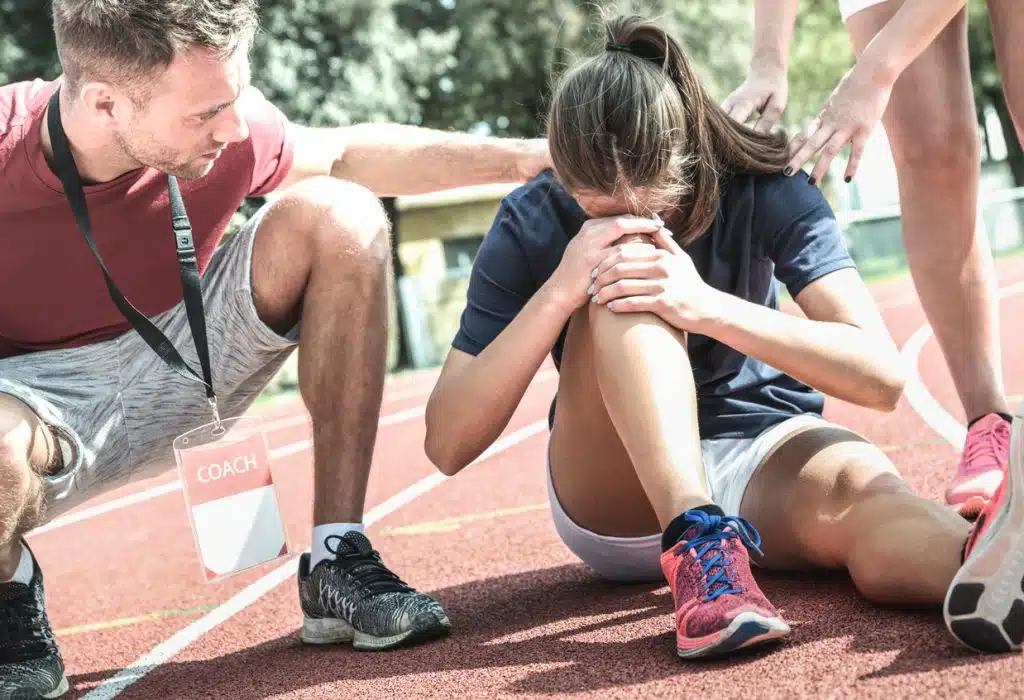
Getting injured can be frustrating, especially for athletes who love their sport. Beyond the physical pain, injuries often bring feelings of boredom, stress, or fear about falling behind. When recovery starts to feel better, many athletes are eager to return as quickly as possible. However, returning too soon or without proper care can increase the risk of re-injury and long-term problems. Sports medicine focuses on helping athletes return to sports safely, gradually, and confidently.
Understanding the Healing Process
One of the most important parts of returning to sports safely is understanding that healing takes time. Even when pain decreases, the injured area may not be fully healed. Muscles, bones, ligaments, and tendons all heal at different speeds, and rushing this process can undo progress.
Sports medicine professionals emphasize patience because the body needs time to rebuild strength and stability. Pain-free movement does not always mean the injury is fully healed. Allowing the body to complete the healing process helps prevent setbacks and future injuries.
The Importance of Medical Clearance
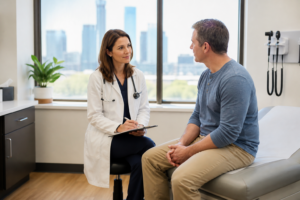
Before returning to sports, athletes should receive clearance from a healthcare professional such as a sports medicine doctor, athletic trainer, or physical therapist. Medical clearance ensures that the injury has healed enough to handle physical stress.
This step is especially important for teen athletes, whose bodies are still growing. Returning too early can affect development and increase the risk of chronic injuries. Medical professionals assess strength, flexibility, balance, and movement to determine readiness, not just how the athlete feels.
Gradual Return, Not Immediate Full Effort
A safe return to sports does not mean jumping straight back into full practices or games. Sports medicine recommends a gradual return-to-play process. This process slowly increases intensity, duration, and difficulty over time.
Athletes often start with light activity, such as jogging or basic drills, before moving on to sport-specific movements. This gradual approach allows the body to adapt and rebuild confidence while reducing the risk of re-injury.
The Role of Physical Therapy and Rehabilitation
Physical therapy plays a major role in safe recovery. Rehabilitation exercises are designed to restore strength, flexibility, coordination, and balance. These exercises also help correct movement patterns that may have contributed to the injury in the first place.
Skipping rehab or not completing the full program can leave the body unprepared for sports demands. Sports medicine professionals stress that rehab is not just about healing — it’s about preparing the body to perform safely again.
Mental Readiness Matters Too
Returning to sports is not only a physical challenge but a mental one as well. Many athletes feel nervous about getting hurt again or unsure about trusting their body. Fear and hesitation can affect performance and increase injury risk.
Sports medicine recognizes the importance of mental readiness. Building confidence through gradual practice, open communication with coaches, and positive reinforcement helps athletes return with a stronger mindset.
Listening to Your Body
One of the most important skills for returning safely is learning to listen to your body. Pain, swelling, or unusual discomfort are signs that something may not be right. Ignoring these signals or trying to “push through” can lead to further injury.
Athletes should feel comfortable speaking up if something feels off. Resting when needed is not a sign of weakness — it is a smart and responsible part of recovery.
Support From Coaches, Parents, and Teammates
A safe return to sports is a team effort. Coaches, parents, and teammates play an important role by supporting recovery and respecting limitations. Pressure to return too soon can put athletes at risk.
When everyone involved prioritizes health over quick results, athletes are more likely to recover fully and perform better in the long run. A supportive environment encourages safer decisions and better outcomes.
Preventing Future Injuries
Sports medicine also focuses on preventing future injuries after an athlete returns. This includes proper warm-ups, strength training, flexibility exercises, and adequate rest. Learning correct techniques and maintaining overall fitness can reduce injury risk.
Returning from an injury can actually be an opportunity to come back stronger, with better awareness of the body and healthier habits.
Conclusion: Health Comes First
Returning to sports safely after an injury requires patience, guidance, and self-awareness. While the desire to return quickly is understandable, long-term health should always come first. Sports medicine helps athletes recover fully, rebuild confidence, and return stronger and safer than before.
By respecting the healing process and listening to professional advice, athletes can enjoy their sport while protecting their body for the future.