
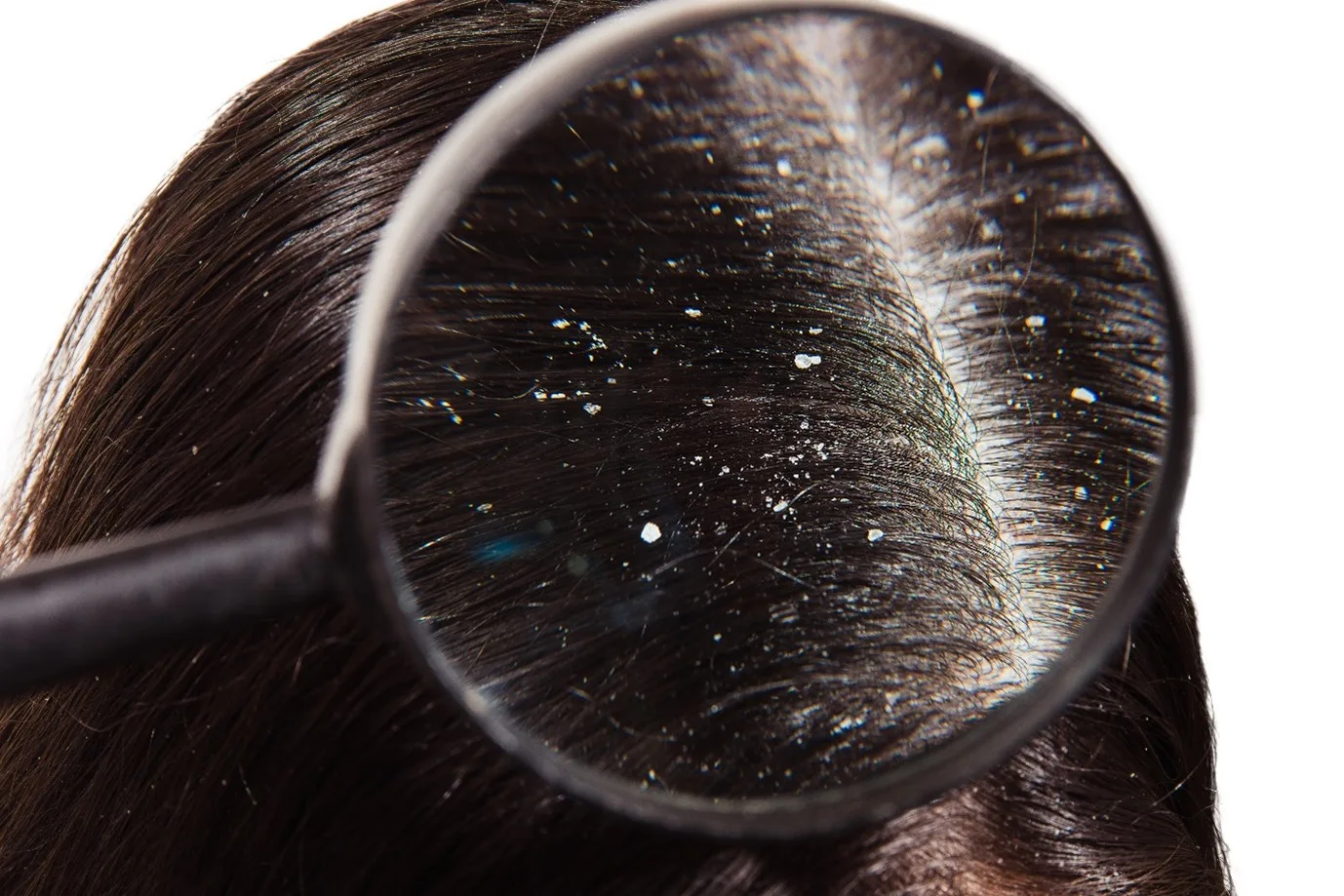
It always starts the same way. A few white specks on your shoulders. A mild itch you try to ignore. Maybe you assume it’s your shampoo, the weather, or stress. But before you know it, you’re scratching your head in public, brushing flakes off your clothes, and wondering if something more serious is going on. You’re not alone. Dermatologists across the country are seeing a noticeable rise in patients walking through their doors with concerns about scalp irritation, shedding, and persistent flaking. And the surprising part? Many of these people have been dealing with symptoms quietly for months—sometimes years—without understanding what their scalp is trying to tell them.
The scalp is a lot more complex than we give it credit for. It isn’t just skin with hair on top. It’s one of the most active, sensitive, and biologically busy areas of the entire body. Oil glands work around the clock. Hair follicles constantly move through growth cycles. Sweat mixes with sebum. And the microbiome—yes, your scalp has its own ecosystem—shifts in response to products, hormones, environment, and stress. When even one part of that system becomes unbalanced, the symptoms show up quickly: flakes, dryness, itching, tightness, redness, or an oily residue that feels impossible to wash away.
For many people, dandruff is the first thing that comes to mind when flakes appear. But dandruff is more like a category than a diagnosis, and it doesn’t always mean your scalp is dry. In fact, most dandruff-related flaking comes from excess oil and a yeast-like organism that thrives in that environment. When the yeast irritates the skin, the scalp responds by shedding flakes faster than usual. Suddenly, you’re dealing with a storm of white particles that no amount of brushing seems to fix. It’s frustrating, it’s embarrassing, and it can make even simple moments—leaning forward in a dark shirt or sitting under bright lighting—feel uncomfortable.
But flakes don’t always tell the same story. Sometimes the scalp is sending a very different message. A tight, itchy scalp without visible flakes might be signaling inflammation or sensitivity triggered by harsh products, overwashing, or even an ingredient you didn’t realize you were reacting to. Other times, the flakes are larger, greasier, and accompanied by redness—an indicator that seborrheic dermatitis may be involved. And then there are cases where the scalp feels dry, almost paper-like, often caused by cold weather, stripping shampoos, hormonal changes, or underlying skin conditions like eczema or psoriasis.
The emotional side of scalp issues often goes unnoticed. When things aren’t right up there, you feel it. You become hyper-aware of every itch. You wonder if others can see the flakes. You worry that your hair looks unclean—even if you just washed it. Many patients come into dermatology clinics already feeling discouraged, convinced their scalp is “just sensitive,” or that their symptoms are something they have to live with. But they don’t. Scalp health isn’t about masking flakes or swapping shampoos endlessly. It’s about understanding why the scalp is reacting, identifying the underlying cause, and restoring balance in a way that supports long-term health instead of quick fixes.
What surprises many people is how quickly things can improve once the root cause is identified. The scalp heals faster than most think. When the right treatment or routine is introduced—whether it’s adjusting wash frequency, targeting microbial imbalance, soothing inflammation, or switching to gentler ingredients—patients often describe the same moment of relief. The itch fades. The flakes shrink. The scalp stops feeling like a problem and begins to feel like a part of them again. Confidence returns in subtle ways: fewer checks in the mirror, more dark-colored outfits, and the quiet comfort of running your fingers through your hair without worrying what might fall out.
Scalp health is not just about appearance; it’s about comfort, confidence, and the way you move through your day. When your scalp is calm, everything feels lighter. When it isn’t, it affects how you think, how you dress, and how you interact with the world. The good news is that almost every scalp concern—from mild flaking to persistent irritation—has a solution. You don’t have to guess your way through shampoos or hope that your symptoms disappear on their own. With the right guidance, your scalp can heal, rebalance, and feel like itself again.
If your flakes, itchiness, or irritation have become a constant companion, it might be time to listen to what your scalp has been trying to say. A healthier, calmer, clearer scalp is possible—and closer than you think. Want help understanding what your symptoms may mean? A dermatologist can pinpoint the cause and help you find a path back to comfort.